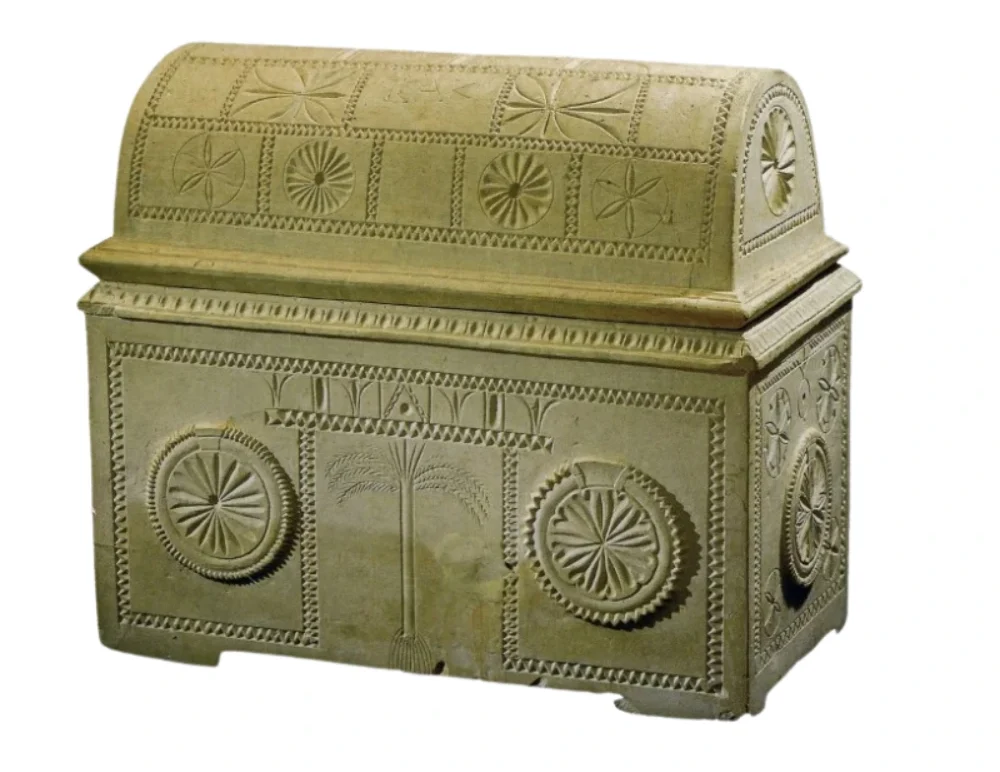
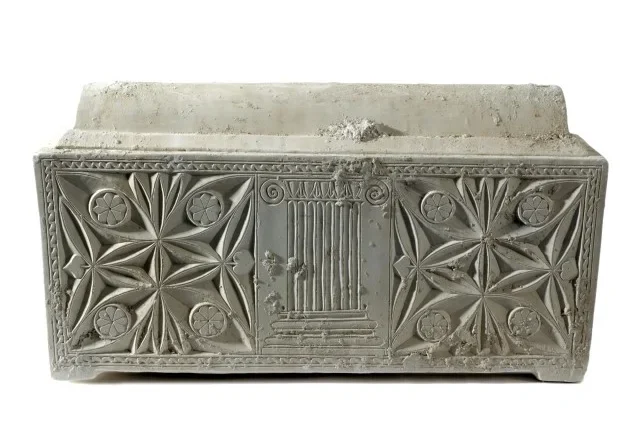
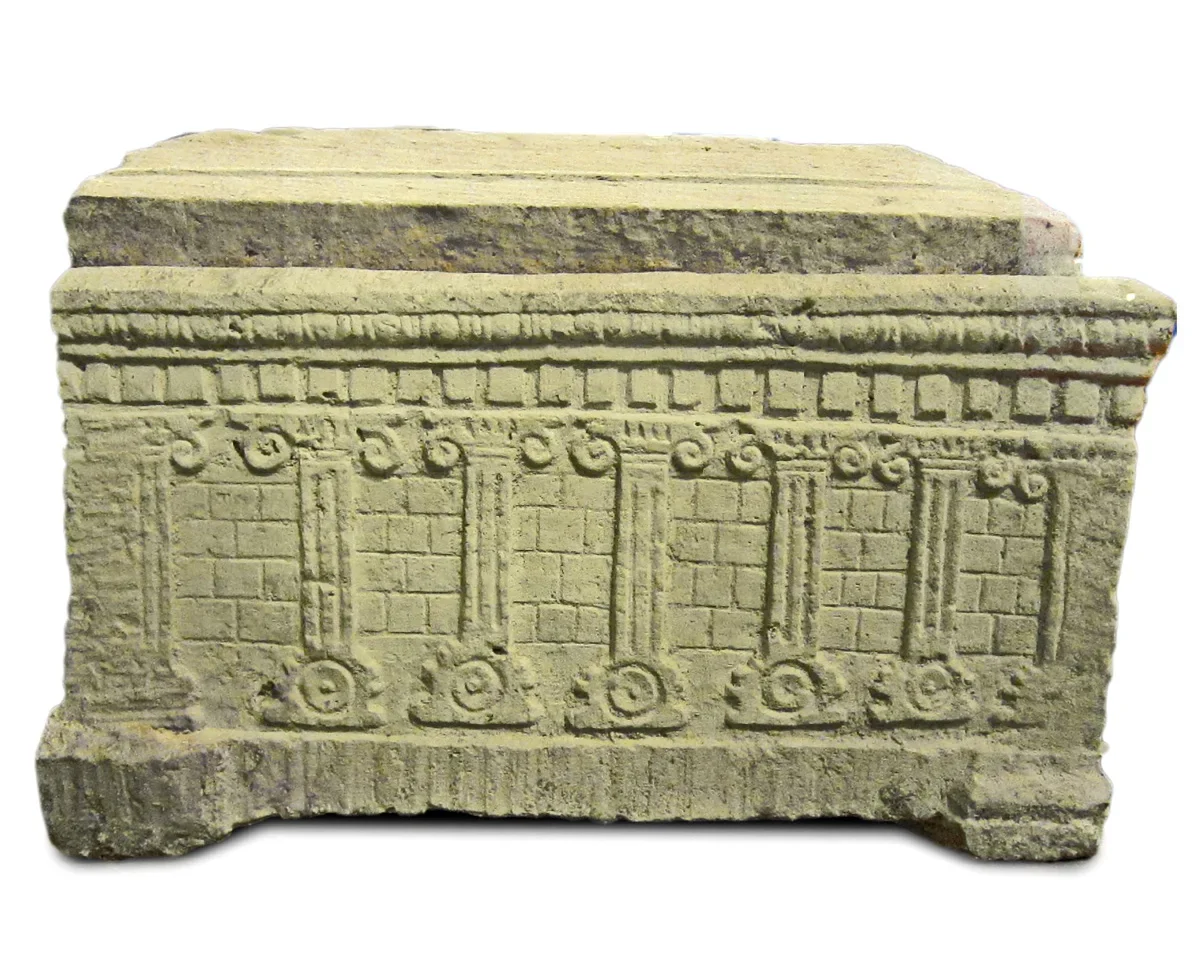
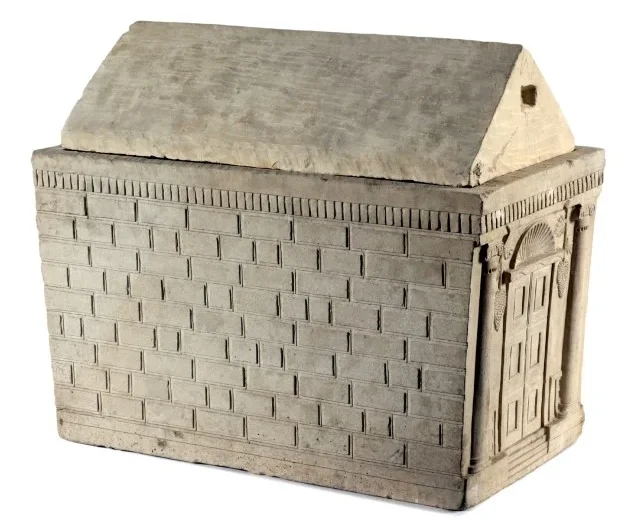
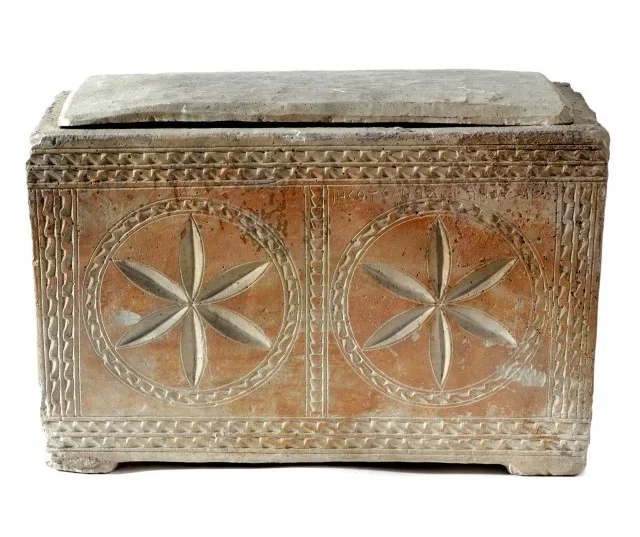
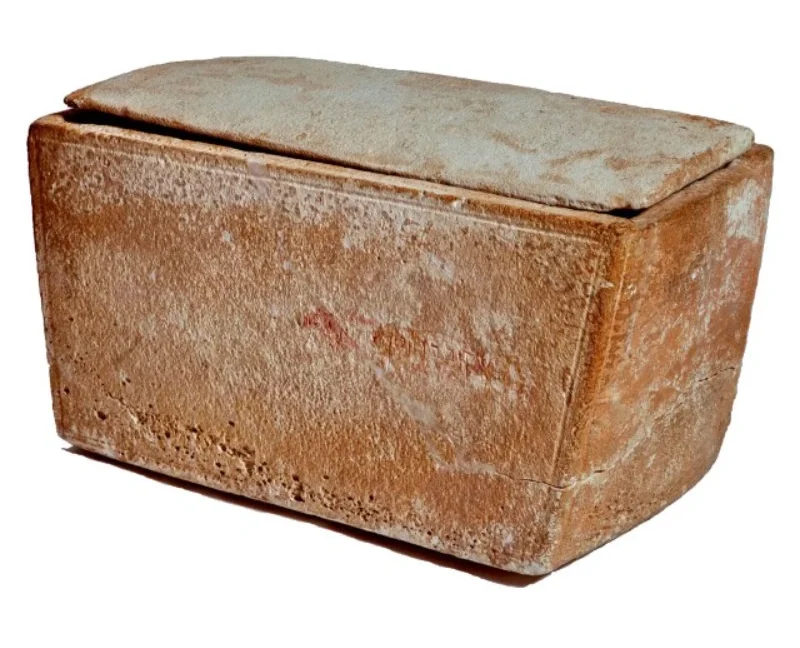
The ossuaries presented on this site were carefully selected from among approximately 3,000 ossuaries discovered over the past 150 years. They were used to contain the bones of deceased Jews. According to Jewish law practiced at the beginning of the first century CE, the body of the deceased was first placed in a burial cave – usually a family tomb – and after about a year, once the soft tissues had decomposed, the bones were collected and placed inside an ossuary, which was typically set in one of the niches of the cave. In some cases, the bones of more than one family member were gathered into a single ossuary. This practice came to an end with the destruction of Jerusalem by the Romans in 70 CE.
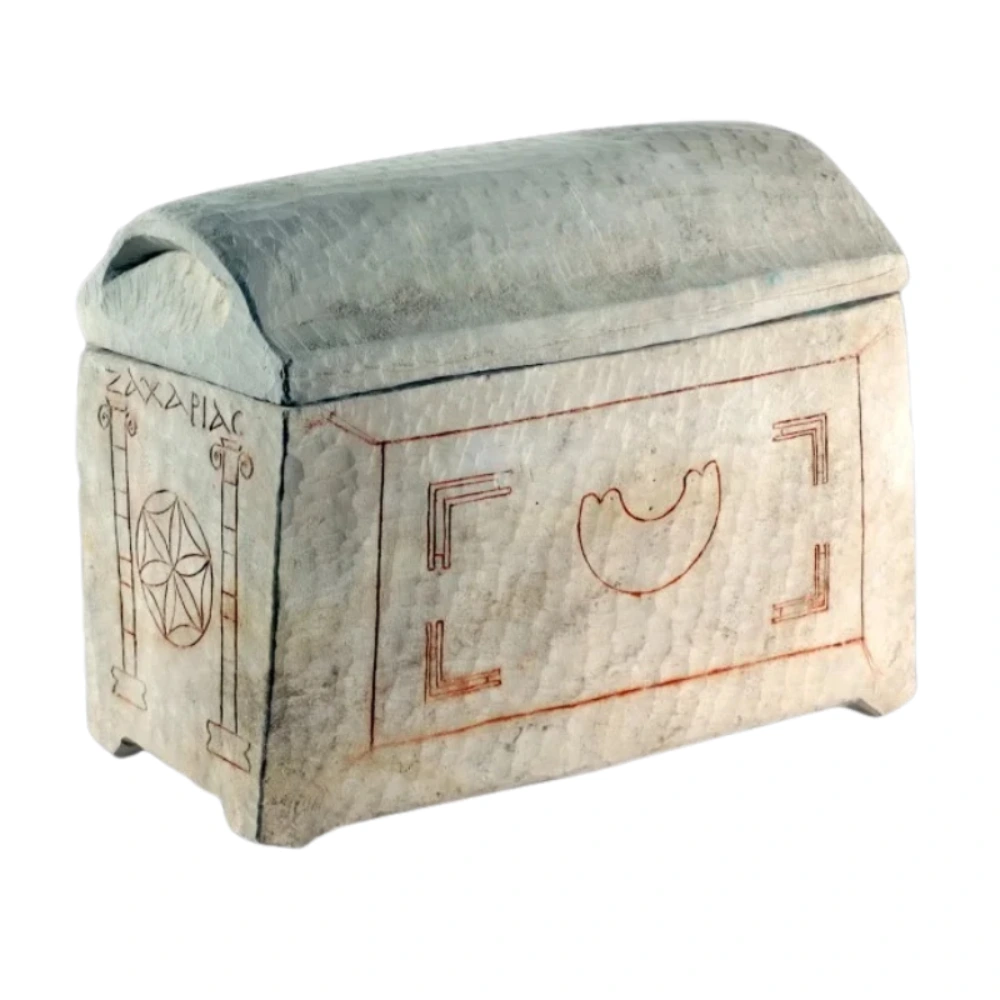
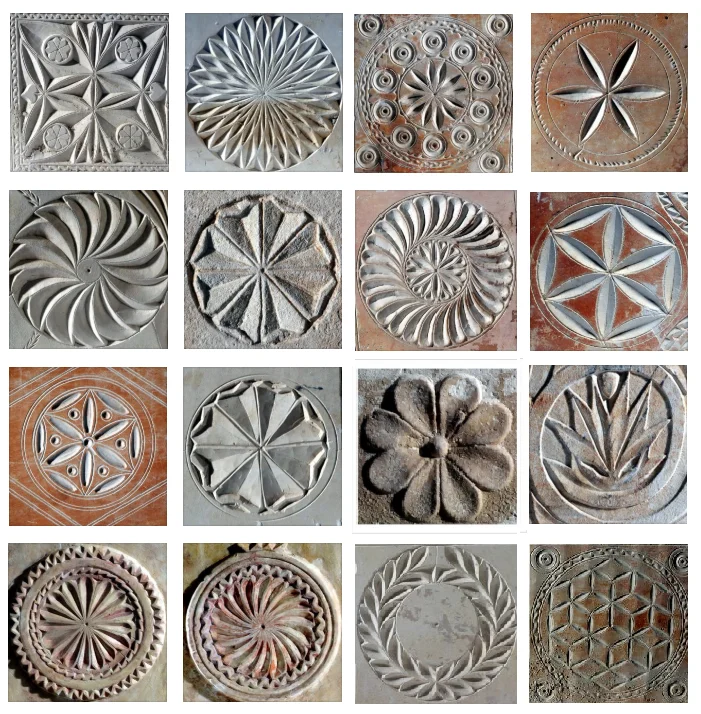
Most ossuaries discovered to date are plain and undecorated, or bear only a simple rosette design – a Jewish symbol characteristic of the period. Only about 20% bear inscriptions: roughly 70% in Hebrew or Aramaic, and about 30% in Greek.
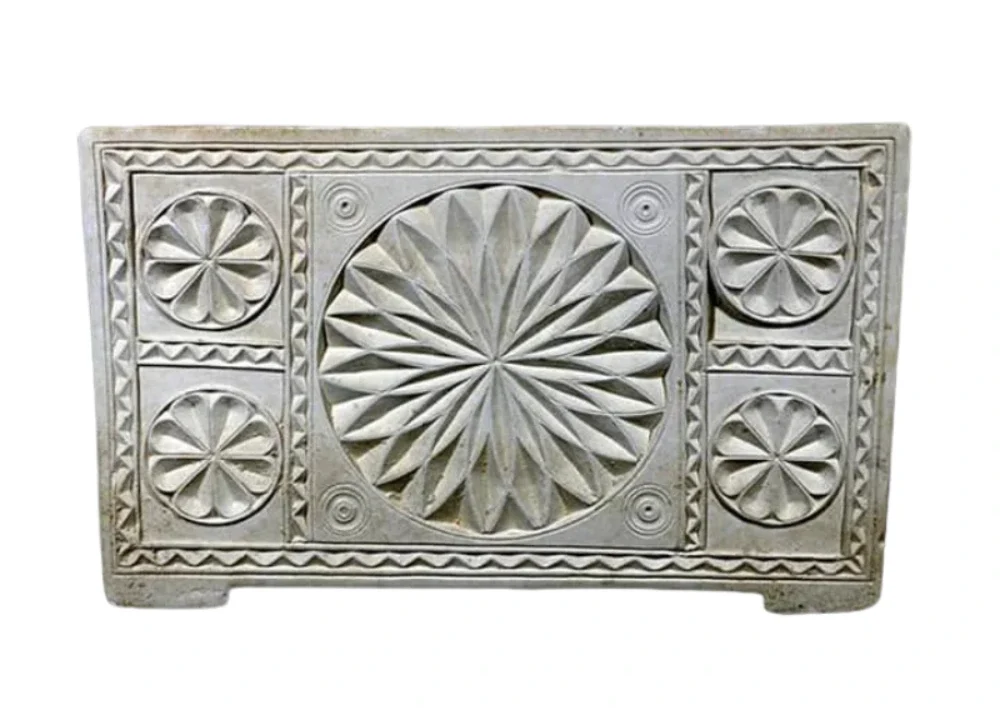
The ossuaries displayed here were chosen because they are associated with figures known from historical sources (such as the New Testament and the writings of Josephus Flavius), or because there is a strong likelihood they belonged to such individuals. Others bear inscriptions identifying functions, professions, or titles (priests, scribes, builders); some were selected for their exceptionally high level of decoration- representing the pinnacle of Jewish art in the early Roman period, while others display rare and unique decorative styles.
Approximately 45% of the ossuaries featured here originate from the collection of the Israel Antiquities Authority (some on loan to the Israel Museum in Jerusalem, the Hecht Museum in Haifa, and the Museum of the Bible in the United States, though most remain in the Authority’s storerooms); about 35% come from the archaeological collection of Oded Golan – the most important private collection of biblical archaeology; and roughly 20% are housed in museums and institutions in Israel and abroad (including the Hebrew University of Jerusalem, the Franciscan Museum and the École Biblique in Jerusalem, the Metropolitan Museum of Art, the Bible Museum in DC, and the University of Chicago in the United States, and the British Museum in London).
These figures indicate that nearly 50% of the most significant ossuaries discovered to date entered scholarly knowledge through the antiquities market rather than through documented excavation. Although this proportion is high, it is lower than that of other archaeological finds in the Land of Israel: for example, about 95% of the most important coins, seals, and seal impressions discovered in the country were not unearthed in documented excavations, and only a handful of ancient inscriptions have been found in a clear stratigraphic context during recorded archaeological excavations.
The ossuaries were discovered in burial caves located in various areas outside the ancient city of Jerusalem, in accordance with Jewish law prohibiting burial within residential areas. It is estimated that about 98% of the ossuaries originate from greater Jerusalem (including Jericho, east of the city), with only a few found in more distant locations (such as Jifna, north of Ramallah, or Ben Shemen).
Religious sensitivity regarding the excavation of burial caves has led the Israel Antiquities Authority to restrict its activity to “salvage excavations” only, rather than conducting planned digs. In many cases, reports reached the Authority only after a cave had already been at least partially emptied of its contents. Even in documented excavations, the available information is often incomplete. Moreover, due to religious concerns, the human remains collected from the caves were reburied together without proper documentation, preventing modern genetic testing that could have provided valuable information about the population and its individuals.
Extensive construction in Jerusalem over the past century, especially after 1967, has accidentally uncovered dozens of burial caves. Many were located in the eastern part of the city, in areas populated by Arab residents; others were found within ultra-Orthodox neighborhoods, whose communities strongly oppose archaeological work in burial caves. Under such circumstances, only part of the accidental discoveries was reported to the Israel Antiquities Authority. Often, landowners who encountered burial caves on their property chose to seal them (to avoid construction delays) or to quickly remove their contents for sale on the private antiquities market – fearing prosecution for building or other violations.
Fortunately, our primary source of knowledge comes from the inscriptions engraved on the ossuaries themselves. At that time, it was not customary to inscribe texts on the walls of burial caves, so the caves provide almost no information about the identities of the deceased. Therefore, the contribution of ossuary inscriptions – even when they originate from undocumented or partially documented excavations – is nearly equal to that of ossuaries uncovered in fully documented excavations.