The ossuary of Mara and Salo
Site item id
20138
Collection name
Item period
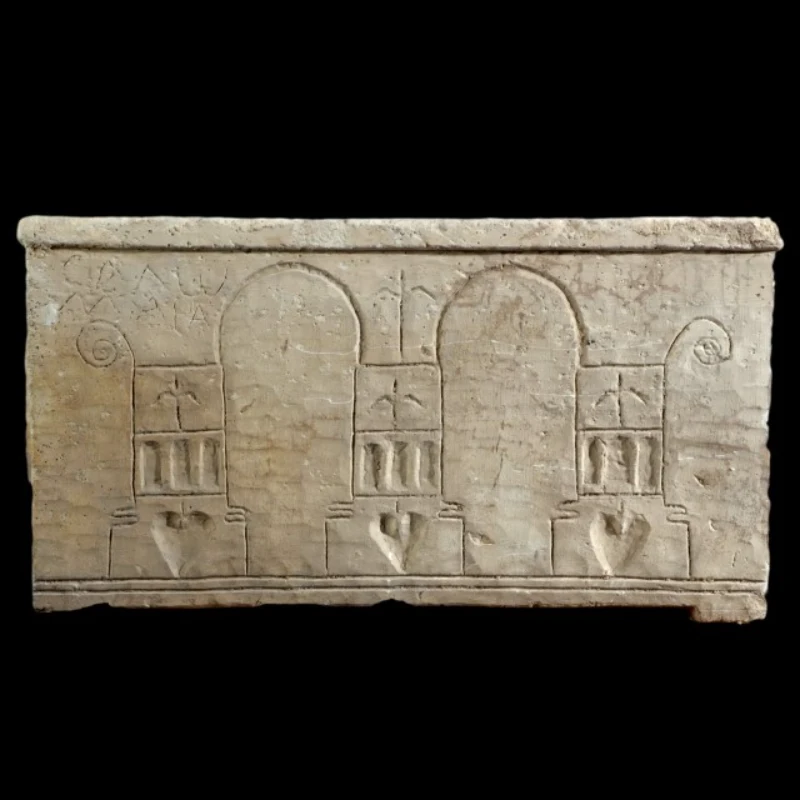
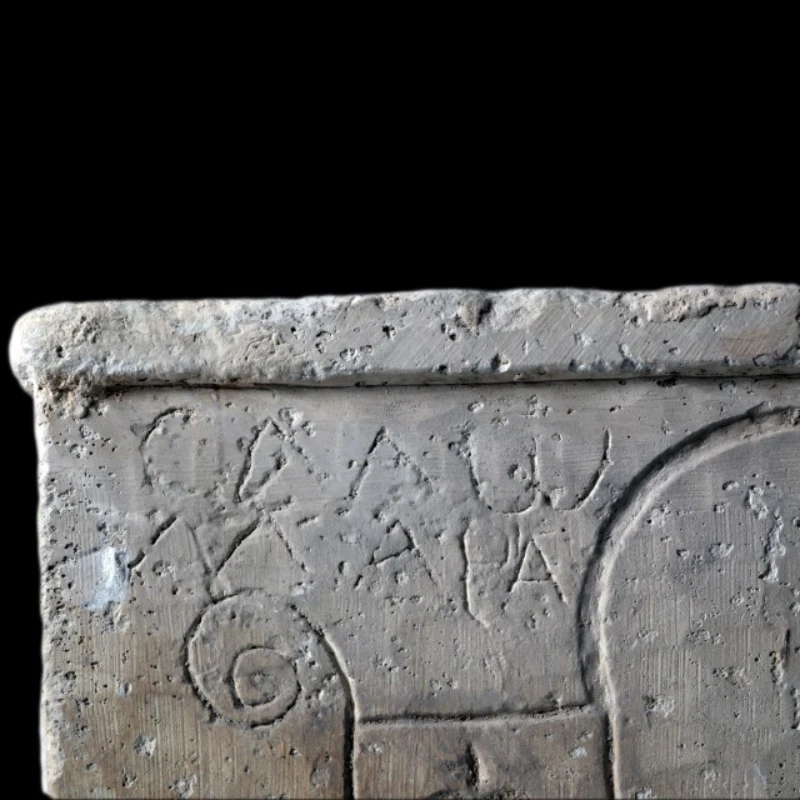
An ossuary inscribed in Greek “Σαλω” =Salo and “ΜΑρΑ” = “Mara”. Decorated with arcosolium, and with Hedera helix (Ivy) leaves. First century AD. Early Roman period.
A large ossuary from the 1st century CE, with a Greek inscription of two women's names: Salo (Σαλω) and Mara.
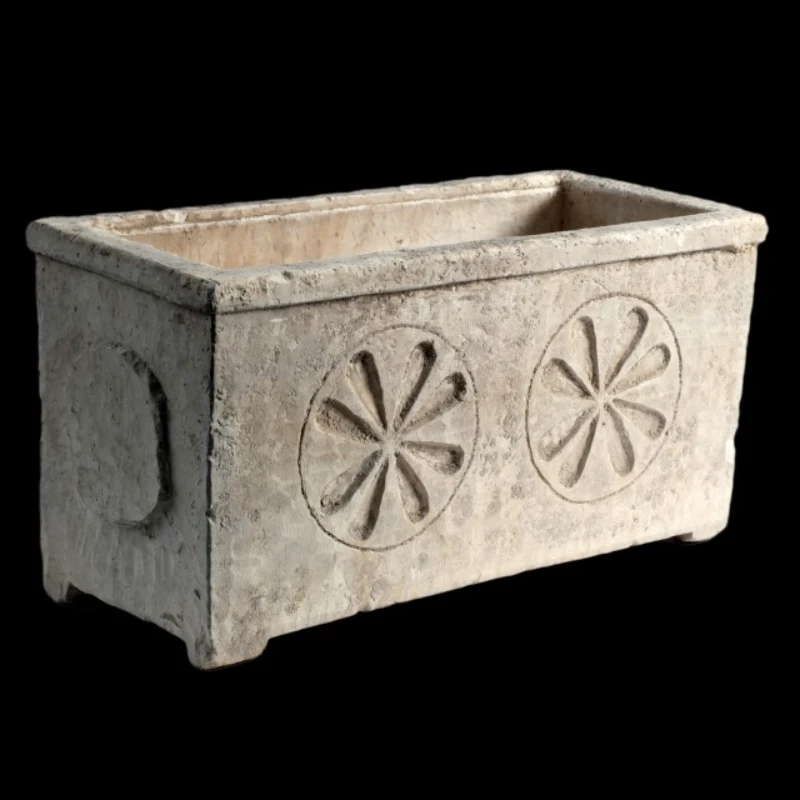
The front of the ossuary is decorated with two domes with three Ionic columns on their sides and between them. The base of each of the three columns is decorated with a heart-shaped ivy leaf (a motif known from a small number of ossuaries). The top of the columns and the space between the domes are adorned with lotus flowers. The schematic structure likely represents the face of a tomb with two large vaulted niches (arcosolia). The back of the ossuary is decorated with two sunken rosettes with eight leaves (different from the common rosette motif on ossuaries).
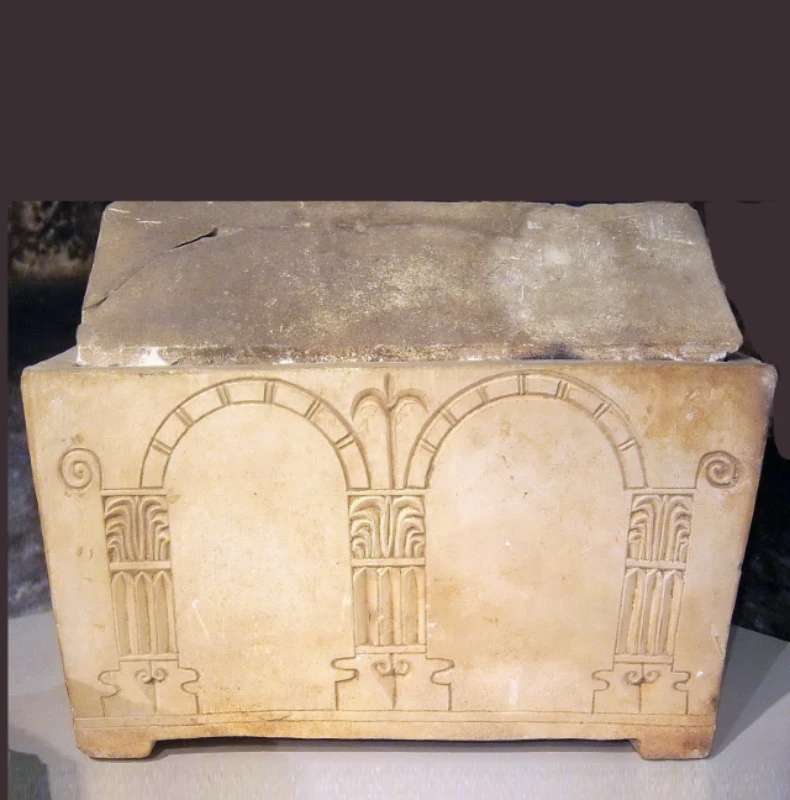
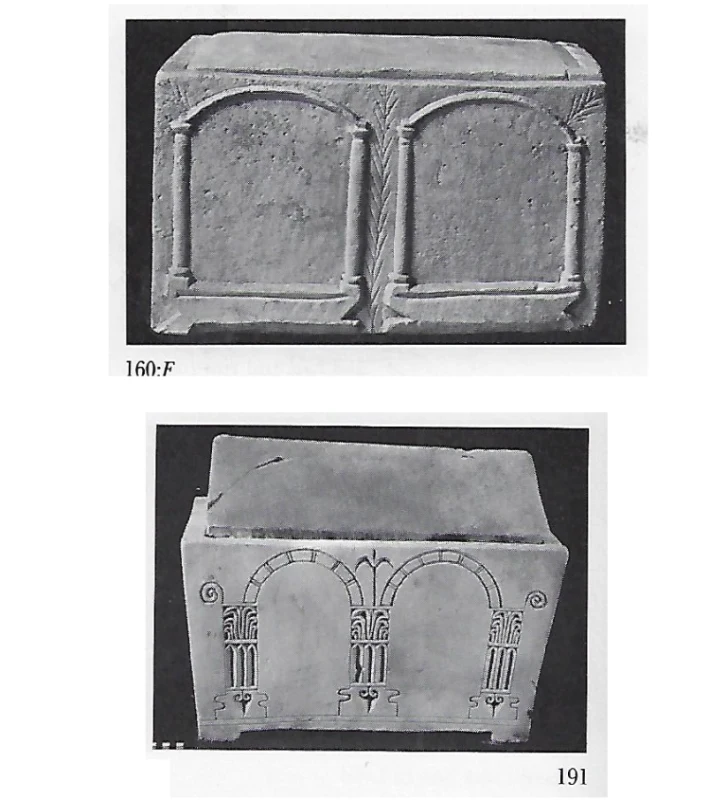
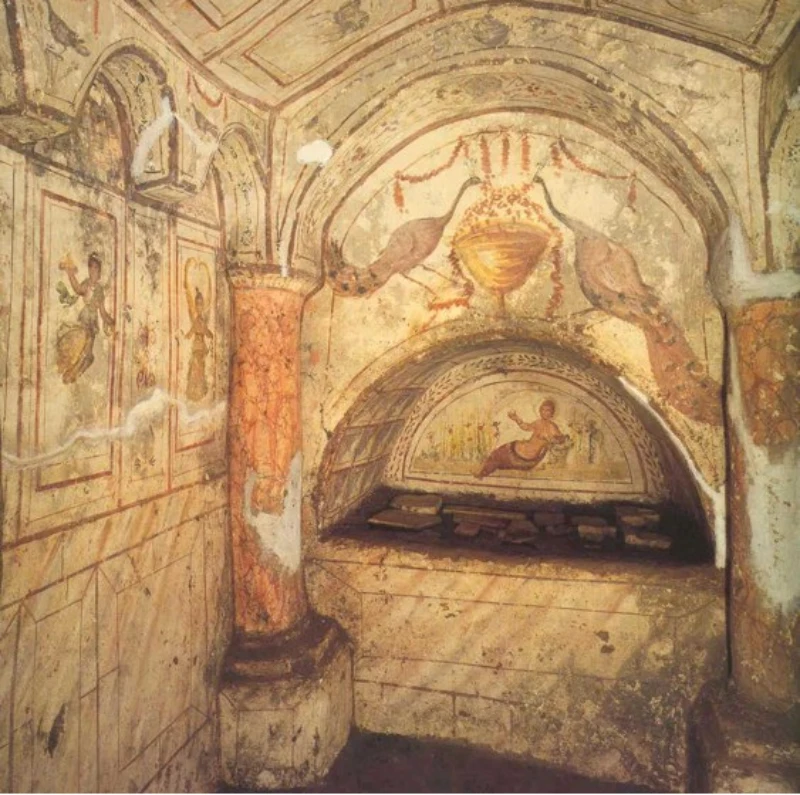
The decoration of this ossuary is reminiscent of a decorated ossuary discovered in the Katamon neighborhood of Jerusalem, which also has a front with two domes and a lotus flower (similar in shape to the flower on the present ossuary) between them. The ossuary is marked as number 191 in the catalog of the Israel Antiquities Authority (by L. Y. Rahmani) and is currently on display at the Israel Museum (see photo of the ossuary). Rahmani attributed the decoration to a description of a magnificent burial chamber in which one of the walls has two vaulted niches (with a dome) (arcosolium). In the 1st century CE, if a vaulted chamber was prepared inside the burial cave, the chamber was hewn from the cave floor, and the body/bodies or the ossuary placed in it were laid on the floor. In later centuries, the vaulted chamber would begin at a height of about one meter, creating a kind of "stage" on which the body was placed (see photo of a Roman burial cave from Rome, Italy, from the 4th century CE, which illustrates the use of a "vaulted" chamber with a dome).
The name "Salo" (Σαλω) is a nickname or abbreviation of the female name Salome or Shlomit (one of the most common names among Jewish women in the 1st century). A woman named Salome is mentioned in the New Testament as one of the women who followed Jesus, was present at his crucifixion, and was one of the few women who were present when Jesus' tomb was found empty after his resurrection. Another Salome, also known from the New Testament and the writings of Josephus Flavius, was the daughter of Princess Herodias. She was the one who persuaded King Herod to kill John the Baptist (at Machaerus) and have his head brought to her on a platter.
Two other ossuaries mentioning the name "Salo" (Σαλω) with the same Greek spelling have been discovered in Jerusalem. One was found in the Kidron Valley and the other is in the collection of the Saint-Étienne Monastery in Jerusalem.
The name Mara is known as the name Naomi chose to call herself (in the Book of Ruth) and may imply that the deceased was a convert.
References:
1st century CE - 1st century - Wikipedia