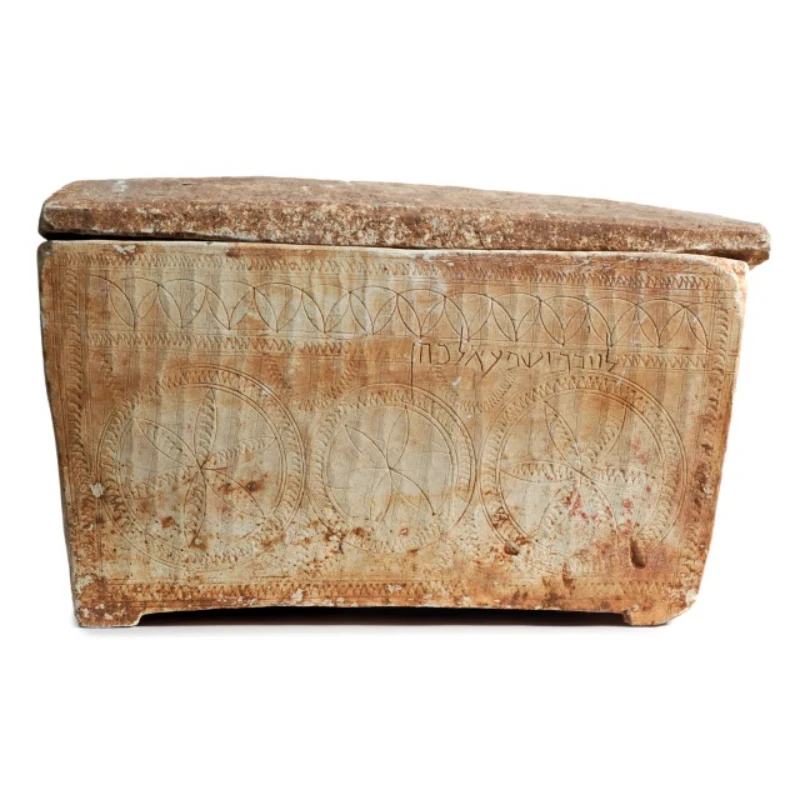
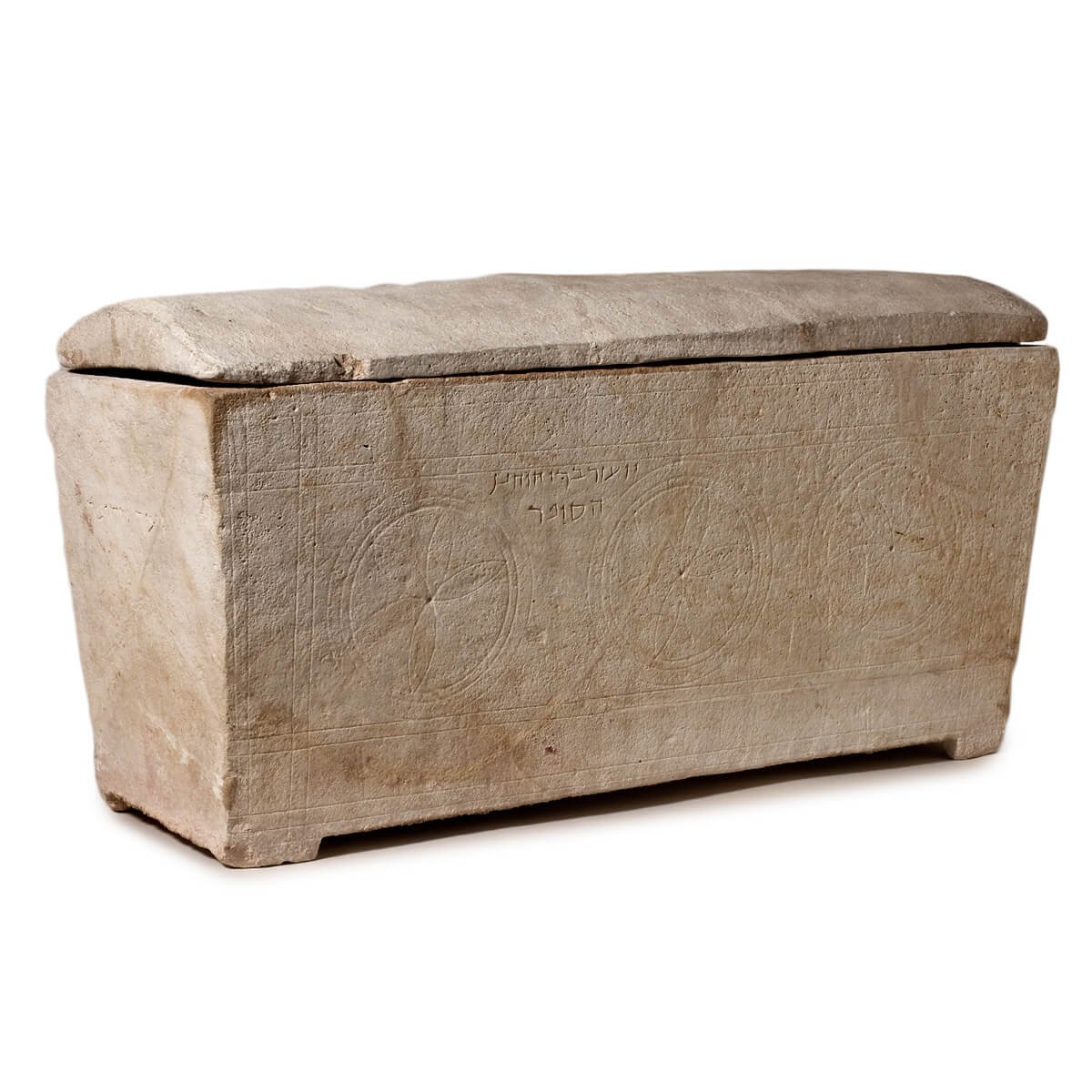
The ossuary of Levi, son of Ishmael, the High Priest (from Jifna = Gophna)
Site item id
20022
Collection name
Item period
Two ossuaries with Hebrew-Aramaic inscriptions were discovered together in a burial cave in the village of Jifna (Gophna), north of Jerusalem (about 5 km north of Ramallah).
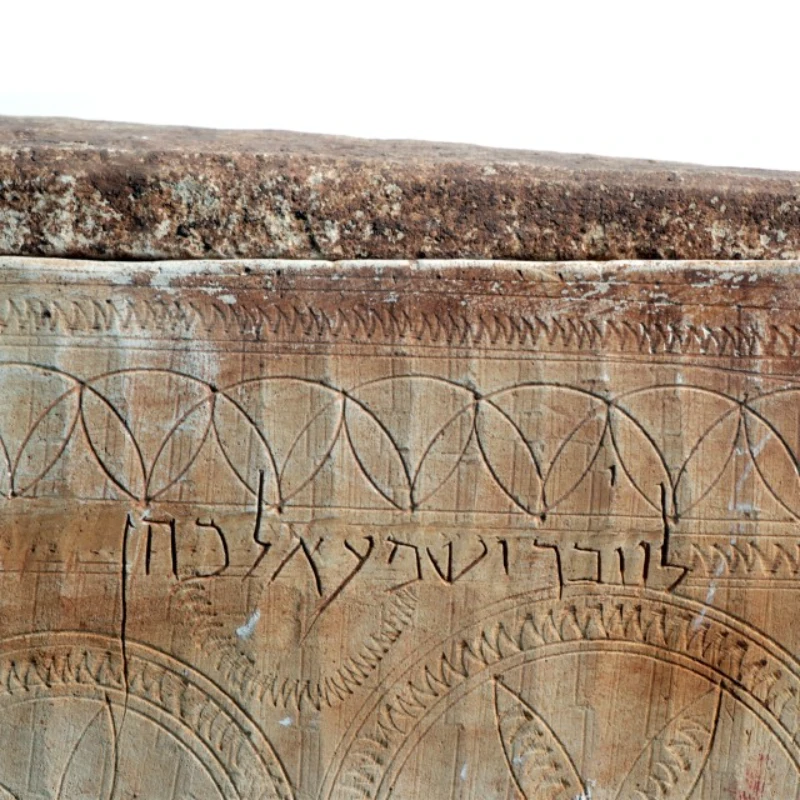
On the larger ossuary, the inscription reads "Levi bar Ishmael Kohen" (Levi son of Ishmael, Priest). Ishmael was the high priest who served in the Jerusalem Temple. His sons are mentioned in the writings of the historian Josephus Flavius as having received an estate in Gophna (the location of the village of Jifna, where the ossuaries were discovered) after the Roman conquest and destruction of Jerusalem. This was done in recognition of their attempts to convince the residents of Jerusalem to surrender and thereby save the Temple, Jerusalem, and its inhabitants. However, the zealots refused, and the Temple and the city were destroyed. These priests were likely among the last priests to escape the Jerusalem Temple on the eve of its destruction.
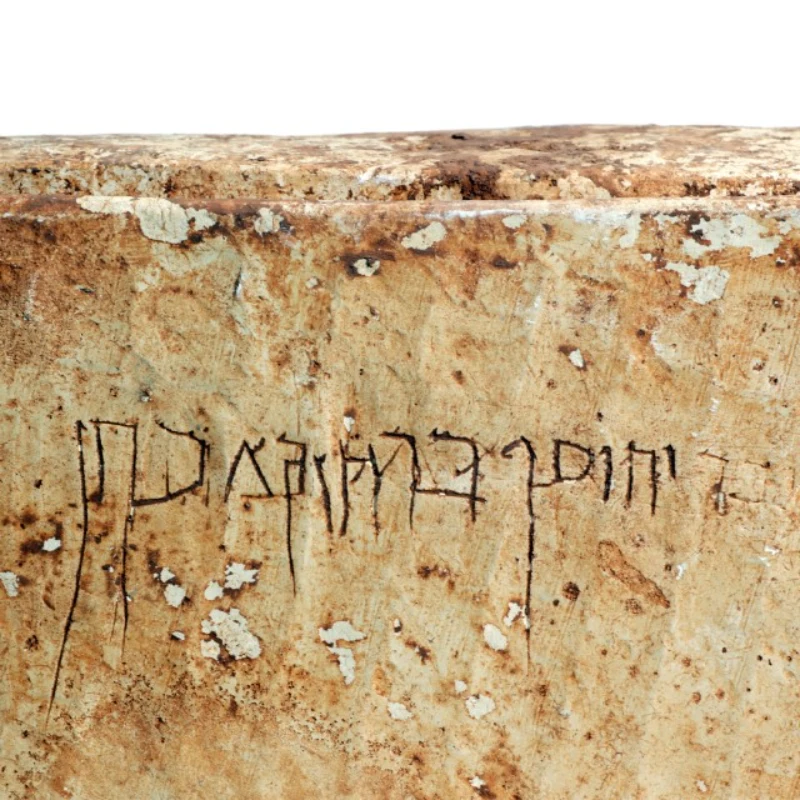
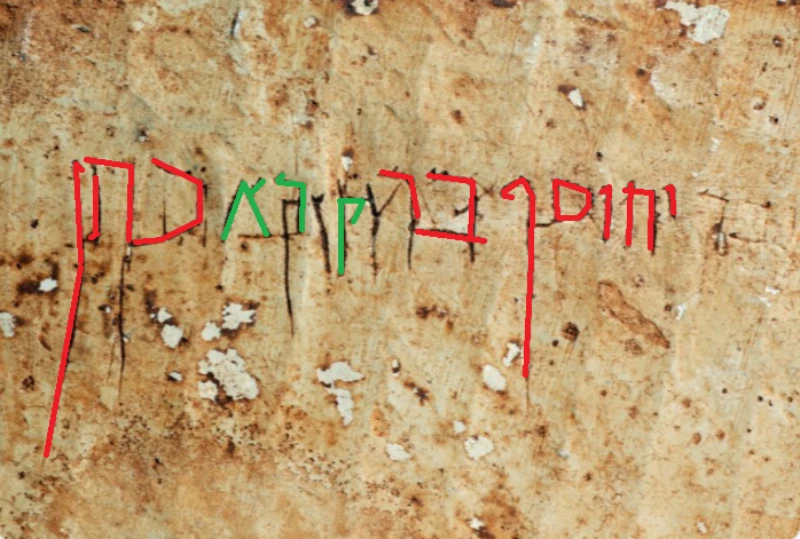
The second ossuary bears the inscription: "Yehosef bar...ra Kohen". The name of Yehosef's father is difficult to decipher because it was engraved over a previous inscription on the ossuary. However, since the letters "ra" at the end of the father's name are clear, it is likely that the father's name was either Giora (like Bar Giora, the leader of the rebellion during the Second Temple period), Ezra (like Ezra the Priest in the days of Ezra and Nehemiah), or Kora (like Shalom ben Kora in 1 Chronicles 9:19). The ossuaries are from the Roman period, first century CE.
The inscription appears to have been engraved over another inscription that was originally on the ossuary and was later erased.
Ishmael ben Pabos, also known as Ishmael ben Piabi, served as the High Priest of Israel from 15 CE to 16 CE under the Roman procurator Valerius Gratus. It is believed that he is the same high priest who was reinstated by Agrippa to serve in the position from 58 CE to 62 CE. Some scholars believe there were two high priests with the same name. Ishmael ben Piabi, the High Priest, is mentioned in the writings of Josephus Flavius, and he is also referred to in the Mishnah (Parah 3:5). During the Great Revolt (70 CE), after he no longer served as high priest, Ishmael was executed by decapitation in Cyrene.
Note the style of the inscription on the ossuary bearing the inscription "Yehoazar bar Yehohanan HaSofer" (Yehoazar son of Yehohanan the Scribe), which was also discovered in Gophna (and is displayed at the Oriental Institute Museum in Chicago). It appears that this ossuary was engraved by the same artisan who carved the name "Levi bar Ishmael Kohen."
References:
Link to the Study - thepriest.pdf